A formulation-based look at the Australian Banana Boat Ultra Light Face Fluid SPF50+ 50 mL, its six-filter system, moisturising ingredients and soft-matte positioning. This review covers AUST L 406153.
FORMULA NOTES / SUNSCREEN
Banana Boat
Ultra Light Face Fluid SPF50+
A formulation-based review of the Australian 50 mL Banana Boat Ultra Light Face Fluid SPF50+, specifically AUST L 406153. The six-filter sunscreen combines a moisture-focused base with soft-matte positioning.
A formulation-based review
Full disclosed ingredient inventory
Active ingredients: octocrylene 8% w/w, butyl methoxydibenzoylmethane 5% w/w, octyl salicylate 5% w/w, ethylhexyl triazone 4% w/w, methylene bis-benzotriazolyl tetramethylbutylphenol 2% w/w, bemotrizinol 1% w/w. The matching pack identifies the methylene bis-benzotriazolyl tetramethylbutylphenol as nano. Other ingredients (TGA names): 1,2-hexanediol, 1,3-butylene glycol, acrylates copolymer, alkyl (C12-15) benzoate, caprylyl glycol, decyl glucoside, decylene glycol, dibutyl adipate, disodium edetate, dl-alpha-tocopheryl acetate, glyceryl monostearate, hyaluronic acid, hydroxyacetophenone, phenoxyethanol, polyglyceryl-3 methylglucose distearate, polymethylsilsesquioxane, potassium cetyl phosphate, propylene glycol, purified water, silicon dioxide, Simmondsia chinensis, tapioca starch, trolamine, xanthan gum.
Source: TGA public summary for ARTG 406153, with active percentages and the nano declaration corroborated by the matching official carton back. This is the complete disclosed inventory of six actives and 24 excipients. The excipients are alphabetically listed, not in descending concentration. A full manufacturer-issued ordered INCI list was not verified. Inactive amounts, hyaluronic-acid molecular weight and exact supplier grades are not disclosed.

| The focus |
UVA and UVB protection |
|---|---|
| The format |
50 mL facial fluid in a pump bottle |
| Price snapshot |
A$13.99 retailer listing; A$27.98/100 mL and A$2.80/10 mL |
| Worth knowing |
Fragrance-free positioning; 12-hour moisture does not mean 12-hour sun protection |
A facial sunscreen built around six complementary filters
Ultra Light Face Fluid is positioned as a daily facial sunscreen with a soft matte finish and moisture support from hyaluronic acid and jojoba oil. The verified 406153 carton carries SPF50+, broad-spectrum UVA/UVB protection and a 12-hour moisture claim. This review assesses its disclosed formula and evidence, rather than reporting a hands-on wear test. Exact 406153 carton.
Match the registration on your pack. A newer same-name product, AUST L 526739, has the same UV-filter percentages but a different base-ingredient inventory. The current brand page includes images of both versions. The ingredient list, photo and texture discussion here belong specifically to 406153. 406153 record; separate 526739 ingredient summary.
Who might it suit?
- Daily facial use: someone who prefers a compact pump bottle and a fluid rather than a large body-lotion format.
- Avoiding fragrance or ethanol: the matching pack carries fragrance-free and alcohol-free claims, and neither fragrance nor ethanol appears in this regulatory inventory. The glycols present are chemically alcohols, so the brand's alcohol-free wording is not an absence of every alcohol-class compound.
- Moisture with a matte-finish aim: humectants and emollients sit alongside texture powders. This gives a plausible formulation rationale for the positioning, without predicting how it will look or feel on every face.
The matching package describes non-comedogenicity and use under makeup. Those are manufacturer claims, not guarantees against breakouts, pilling or irritation. Its dermatologically tested wording does not establish universal sensitive-skin or eye-area tolerance. Matching bottle back; carton front.
What do SPF50+ and broad spectrum mean?
SPF principally describes protection against UV-induced sunburn under standardised testing. Australian SPF50+ labelling requires a test result of at least SPF60. That category is not a numerical test result for the bottle in your hand, and it does not permit longer unprotected exposure. TGA SPF testing explanation.
Broad-spectrum labelling addresses UVA as well as UVB. No matching numerical UVA-PF, PPD or critical-wavelength result was identified for this exact 406153 formula in the sources reviewed. The filter list can explain the intended coverage, but cannot supply those measurements or establish visible-light and infrared protection.
The UV filters and their disclosed percentages
| UV filter | % w/w | Main coverage | Role in the blend |
|---|---|---|---|
| UV filter: octocrylene | % w/w: 8% | Main coverage: Mainly UVB, with shorter-UVA contribution | Role in the blend: Adds UV absorption and a plausible stabilising environment for avobenzone. |
| UV filter: butyl methoxydibenzoylmethane / avobenzone | % w/w: 5% | Main coverage: UVA | Role in the blend: Dedicated UVA absorption, including the longer-wave UVA region. |
| UV filter: octyl salicylate / octisalate; INCI ethylhexyl salicylate | % w/w: 5% | Main coverage: UVB | Role in the blend: Adds UVB absorption and oil-phase solvent support. |
| UV filter: ethylhexyl triazone | % w/w: 4% | Main coverage: UVB | Role in the blend: A strong UVB absorber at ingredient level; its percentage does not predict product SPF. |
| UV filter: methylene bis-benzotriazolyl tetramethylbutylphenol / MBBT, nano on pack | % w/w: 2% | Main coverage: UVA and UVB | Role in the blend: A particulate organic filter contributing broad UV coverage; dispersion and particle properties matter. |
| UV filter: bemotrizinol; INCI bis-ethylhexyloxyphenol methoxyphenyl triazine | % w/w: 1% | Main coverage: UVA and UVB | Role in the blend: A photostable broad-spectrum absorber that complements the other filters. |

The six TGA amounts correspond to 8%, 5%, 5%, 4%, 2% and 1% w/w, totalling 25%. Adding those percentages does not calculate SPF. The nano declaration comes from the matching pack, while the TGA public summary uses the unsuffixed chemical name. TGA ingredient quantities; pack disclosure.
Spectral references: Symrise methanol spectra for octocrylene, avobenzone and octisalate, BASF reference graphs and BASF peak table. MBBT's 305/360 nm markers refer to its particulate form; a dissolved form has a different spectrum. The chart does not imply this product uses those suppliers or particle specifications. SCCS spectral discussion, pp. 17–19.
Ingredients grouped by function
Every disclosed ingredient appears once below under a proposed principal formulation role. Several can serve more than one function; this interpretation does not reconstruct the manufacturer's recipe or raw-material premixes.
| Function | Ingredients | Role in formula |
|---|---|---|
| Function: UV filters | Ingredients: octocrylene, butyl methoxydibenzoylmethane, octyl salicylate, ethylhexyl triazone, methylene bis-benzotriazolyl tetramethylbutylphenol, bemotrizinol | Role in formula: Provide the sunscreen's UV-absorbing system. |
| Function: Humectants | Ingredients: 1,3-butylene glycol, propylene glycol, hyaluronic acid | Role in formula: Support water binding and the moisture-focused formulation. |
| Function: Emollients and filter solvents | Ingredients: alkyl (C12-15) benzoate, dibutyl adipate, Simmondsia chinensis | Role in formula: Support spreading and the oil-phase environment; the pack identifies the botanical material as jojoba oil. |
| Function: Emulsifiers and dispersion support | Ingredients: glyceryl monostearate, polyglyceryl-3 methylglucose distearate, potassium cetyl phosphate, decyl glucoside | Role in formula: Help organise the oil, water and dispersed components. |
| Function: Film-forming polymer | Ingredients: acrylates copolymer | Role in formula: Supports film character; its presence does not establish water resistance. |
| Function: Texture and rheology materials | Ingredients: polymethylsilsesquioxane, silicon dioxide, tapioca starch, xanthan gum | Role in formula: Support flow, structure and a soft-matte sensory rationale. |
| Function: Conditioning adjunct | Ingredients: dl-alpha-tocopheryl acetate | Role in formula: A vitamin E ester with conditioning and formulation relevance. |
| Function: Preservation and formula protection | Ingredients: phenoxyethanol, hydroxyacetophenone, 1,2-hexanediol, caprylyl glycol, decylene glycol | Role in formula: A plausible preservation-support system; actual preservation performance depends on the complete formula. |
| Function: Chelating agent | Ingredients: disodium edetate | Role in formula: Binds metal ions to support formulation stability. |
| Function: pH adjustment | Ingredients: trolamine | Role in formula: Supports pH control; the product's measured pH is not supplied. |
| Function: Aqueous carrier | Ingredients: purified water | Role in formula: The water component of the lotion. |
All six actives and 24 excipients are accounted for. Hyaluronic acid is retained as declared, without substituting sodium hyaluronate or an assumed molecular-weight grade. The TGA's Simmondsia chinensis name is annotated using the pack's jojoba-oil claim; its processing, concentration and precise specification remain unknown. The vitamin E ingredient is tocopheryl acetate, not free tocopherol.
The key ingredients, explained
| Ingredient | What it contributes |
|---|---|
| Ingredient: avobenzone + nano MBBT + bemotrizinol | What it contributes: The UVA-facing portion of the system; MBBT and bemotrizinol also absorb UVB. Product-level UVA protection still requires finished-formula testing. |
| Ingredient: octocrylene + octisalate + ethylhexyl triazone | What it contributes: Complementary mainly UVB absorption. Counting three UVB filters does not create a performance score. |
| Ingredient: hyaluronic acid + glycols | What it contributes: A credible humectant rationale. Molecular weight, concentration and the complete vehicle determine what ingredient research can reasonably support. |
| Ingredient: jojoba oil + alkyl benzoate + dibutyl adipate | What it contributes: Emollient and spreading support alongside the filter system. |
| Ingredient: polymethylsilsesquioxane + silica + tapioca starch | What it contributes: Texture materials consistent with soft-matte positioning. They do not prove all-day oil control or compatibility with every makeup product. |
| Ingredient: tocopheryl acetate | What it contributes: A vitamin E ester; its presence does not establish a separate antioxidant-treatment benefit or extra SPF. |
The protective film matters as much as the filter list
This formula combines oil-soluble filters with particulate nano MBBT in a water-containing lotion. The emollients, emulsifiers and dispersion ingredients provide a plausible way to distribute those materials, while the polymer, powder and gum system can influence spreading and the dried film. Exact emulsion structure, particle-size distribution, filter solubility during storage and film uniformity are not disclosed.
Octocrylene and the photostable broad-spectrum filters provide a reasonable stability context for avobenzone. That is ingredient-level rationale rather than a measured retention result for this sunscreen. Neither complete photostability nor instability can be concluded from the ingredient list alone. The useful endpoint is an adequately applied, maintained protective film on the skin surface.
Reading the claims carefully
- 12-hour moisture: a moisturisation claim on the exact carton, not a 12-hour SPF claim or permission to skip reapplication. A matching 12-hour study report was not available for this assessment.
- Soft matte and non-greasy: supported as manufacturer descriptions. The texture ingredients provide a rationale, while actual finish and comfort depend on the wearer and application amount.
- Non-comedogenic and dermatologically tested: documented pack claims, with no complete matching protocols reviewed. They do not guarantee freedom from acne, irritation or allergy.
- Fragrance-free and alcohol-free: useful selection information. No fragrance or ethanol appears in the disclosed inventory, but preservatives, glycols and other ingredients can still affect individual tolerance.
- Water exposure: no water-resistance claim or duration was verified for the 406153 pack. Its directions require reapplication immediately after swimming or towel use.
- Newer versions: 526739 has different texture and pH-system ingredients. Its newer invisible-finish, eye-testing and sensitive-skin positioning is not transferred into this review.
The claims above are anchored to the 406153 carton front, carton back and matching bottle back.
Directions and cautions
Apply liberally and evenly to exposed skin, wait 20 minutes before sun exposure and allow the product to dry. Reapply every two hours, more often when sweating, and immediately after swimming or towel use. Combine sunscreen with shade, clothing, a broad-brimmed hat and sunglasses, and avoid prolonged exposure. Exact pack directions.
There is a dose-guidance difference to be aware of: the reviewed carton specifies half a teaspoon for the face, neck and ears, while Cancer Council's general adult guide recommends one teaspoon across those areas. Neither is converted here into an assumed number of pumps. Check your current pack, cover all exposed areas generously and evenly, and do not underapply to make the 50 mL bottle last. Reviewed carton; Cancer Council application advice.
Use externally only, avoid eyes and do not apply to broken, damaged or diseased skin. Stop if rash or irritation occurs. The carton advises consulting a doctor before use on babies under six months. Keep out of children's reach, store below 30°C and check expiry. It may stain fabrics or surfaces. Exact pack cautions.
What published sunscreen research tells us
Consistent use matters for photoageing
In a randomised Australian study of 903 adults younger than 55, daily sunscreen use was associated with 24% lower relative odds of increased skin ageing over 4.5 years than discretionary use. The estimate had uncertainty and some outcome data were missing. This supports a consistent sunscreen habit; it was not a trial of this Banana Boat formula. Hughes and colleagues, 2013.
Comfort helps when it supports adequate application
A fluid's finish, pump format and makeup compatibility can matter if they make generous application and reapplication easier. Those practical features are separate from measured protection. A moisturising claim does not extend sunscreen wear time, and a small bottle is not a reason to reduce the applied amount. Cancer Council sunscreen guidance.
Our assessment
The 406153 version of Banana Boat Ultra Light Face Fluid has a coherent six-filter UVA/UVB design, with dedicated UVA absorption from avobenzone and broader support from MBBT and bemotrizinol. Its humectants, emollients and texture materials fit the stated aim of moisture with a soft matte finish. These are formulation strengths, not an independent SPF result or a guarantee of personal tolerance.
Chemist Warehouse displayed A$13.99 for 50 mL on 11 November 2026, equivalent to A$27.98 per 100 mL or A$2.80 per 10 mL, excluding delivery. The same listing showed an RRP comparison of A$20.00. This is a dated retailer snapshot, not a brand-set price or cheapest-price claim. Although its displayed pack is 406153, the registration of dispatched stock was not verified. Retail listing.
The main limits are the absence of a verified ordered INCI declaration and accessible exact-product test reports, plus the need to distinguish the newer 526739 base. A targeted search did not identify an independent numerical SPF or UVA result for this exact 406153 product; that does not mean testing was never performed. The practical rule remains straightforward: 12-hour moisture does not replace regular sunscreen reapplication.
Further reading
- Banana Boat Australia: product page with mixed-version imagery
- Exact 406153 carton front
- Exact 406153 carton directions and active ingredients
- TGA: ARTG 406153
- TGA: complete 406153 active and excipient inventory
- TGA: separate same-name 526739 registration
- Chemist Warehouse: 50 mL listing and price snapshot
- Symrise: reference UV-filter spectra
- BASF: complementary filter spectra
- SCCS: nano-MBBT scientific assessment
- TGA: SPF testing information
- Cancer Council: sunscreen application and storage advice
- Hughes et al. Sunscreen and prevention of skin aging
Products for Dry & Dehydrated Skin
-
Regular price$79.00 AUDRegular price
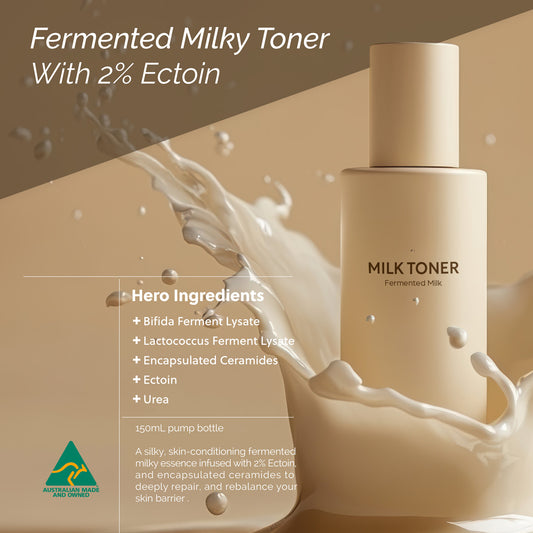
$0.00 AUDSale price$79.00 AUD Save $-79.00 AUD (%)Unit priceperFermented Milky Toner
-
Regular price$59.00 AUDRegular priceSale price$59.00 AUD Save $-59.00 AUD (%)Unit priceper
Daily Face Hydrator
-
Regular price$36.00 AUDRegular priceSale price$36.00 AUD Save $-36.00 AUD (%)Unit priceper
Gel Cleanser
-
Regular price$55.00 AUDRegular priceSale price$55.00 AUD Save $-55.00 AUD (%)Unit priceper
Milk Cleanser
-
Regular price$69.00 AUDRegular priceSale price$69.00 AUD Save $-69.00 AUD (%)Unit priceper
Water Bomb Face Cream
-
Regular price$39.00 AUDRegular priceSale price$39.00 AUD Save $-39.00 AUD (%)Unit priceper
Green Envy AHA Serum