Korres Apothecary Wild Rose Spotless Serum pairs 15% ascorbyl tetraisopalmitate with rosehip oil, brightening botanicals and hydration ingredients. We explore its two-phase formula, supporting research and who this nourishing vitamin C serum might suit.
FORMULA NOTES / VITAMIN C SERUM
Korres
Apothecary Wild Rose Spotless Serum
A closer look at its oil-soluble vitamin C, wild rose oil, brightening botanicals and who this bi-phase serum might suit.
A formulation-based review
Full ingredient list (INCI)
aqua/water/eau, caprylic/capric triglyceride, ascorbyl tetraisopalmitate, rosa canina fruit oil, glycerin, squalane, tocopheryl acetate, bisabolol, dictyopteris polypodioides extract, ethylhexylglycerin, helianthus annuus (sunflower) seed oil, lactic acid, lonicera caprifolium (honeysuckle) flower extract, lonicera japonica (honeysuckle) flower extract, melia azadirachta extract, moringa pterygosperma seed oil, pancratium maritimum extract, panthenol, rosa damascena flower oil, rosmarinus officinalis (rosemary) extract, sodium chloride, tocopherol, zingiber officinale (ginger) root extract, potassium sorbate, sodium benzoate, citronellol, geraniol, linalool
Source: MECCA Australia’s 28-ingredient list, checked 30 October 2026.

The focus
Uneven tone, dark spots & radiance
The format
30 mL bi-phase dropper serum
Price snapshot
A$107MECCA listed price · unavailable online when checked 30 Oct 2026
Worth knowing
15% Vitamin Super C + 10% Wild Rose Oil
Vitamin C brightening in a nourishing two-phase formula
Korres Apothecary Wild Rose Spotless Serum combines an oil-soluble vitamin C ester with rosehip oil, squalane and a water-binding phase. The result is a brightening treatment with a more emollient character than a simple watery vitamin C serum.
Its supporting botanicals are also relevant. Sea daffodil and brown-algae extracts add to the pigmentation-focused design, while panthenol, glycerin and bisabolol contribute hydration and comfort. The two phases need to be shaken together before application, bringing the oil-rich and water-based components into the same dose.
Who might it suit?
- Dull or uneven-looking skin: vitamin C and the botanical brightening components give the formula a clear tone-focused purpose.
- Normal to dry skin: rosehip oil, squalane and other emollients may appeal to people who want a softer, more nourishing serum finish.
- People who prefer an oil-soluble vitamin C derivative: this offers a different format from a free L-ascorbic acid treatment.
- People who enjoy a bi-phase texture: the shake-to-mix format combines humectants with an oil phase.
For fragrance-sensitive or easily reactive skin, the rose flower oil and listed citronellol, geraniol and linalool deserve attention. Although the retailer uses a fragrance-free label, this is not an aroma-free formula. Those who prefer very lightweight, oil-free textures may also favour a different serum.
Shake well, then apply to the face and neck while avoiding the eye area. Keep away from direct light. Follow with moisturiser as needed and broad-spectrum sunscreen in the morning.
What do the percentages mean?
- 15% Vitamin Super C: Ascorbyl tetraisopalmitate, an oil-soluble vitamin C ester. It is not 15% free L-ascorbic acid.
- 10% Wild Rose Oil: the declared rosehip oil, rosa canina fruit oil, is an emollient component. Its role should not be confused with the aromatic rosa damascena flower oil elsewhere in the list.
- 5% Dark Spot Correction Complex: this is a combined complex; individual component percentages are not disclosed.
These are the brand’s published ingredient callouts. Comparing different vitamin C forms requires more than comparing the percentages printed on their bottles.
Ingredients grouped by function
Ingredients are grouped by their estimated primary role in this formula; some ingredients have more than one function.
| Function | Ingredients | Role in formula |
|---|---|---|
| Function: Primary Actives | Ingredients: ascorbyl tetraisopalmitate, dictyopteris polypodioides extract, pancratium maritimum extract | Role in formula: Vitamin C ester and pigmentation-oriented botanical ingredients. |
| Function: Supporting Antioxidants | Ingredients: tocopherol, tocopheryl acetate | Role in formula: Vitamin E forms contribute antioxidant-oriented and conditioning support. |
| Function: Hydration and Comfort Actives | Ingredients: glycerin, panthenol, bisabolol | Role in formula: Water-binding, skin-conditioning and soothing roles. |
| Function: Natural Emollients | Ingredients: rosa canina fruit oil, squalane, helianthus annuus (sunflower) seed oil, moringa pterygosperma seed oil | Role in formula: Help soften the skin and support the nourishing oil-phase finish. |
| Function: Other Emollients | Ingredients: caprylic/capric triglyceride | Role in formula: Provides slip and a lightweight carrier for oil-soluble ingredients. |
| Function: Botanical Extracts | Ingredients: lonicera caprifolium (honeysuckle) flower extract, lonicera japonica (honeysuckle) flower extract, melia azadirachta extract, rosmarinus officinalis (rosemary) extract, zingiber officinale (ginger) root extract | Role in formula: Supporting botanical conditioning roles; exact extract concentrations are not disclosed. |
| Function: Aromatic Ingredients | Ingredients: rosa damascena flower oil, citronellol, geraniol, linalool | Role in formula: Rose aroma and declared fragrance-allergen constituents. |
| Function: Base and Formula Balance | Ingredients: aqua/water/eau, lactic acid, sodium chloride | Role in formula: Water phase, pH and formulation balance; no exfoliating acid concentration is disclosed. |
| Function: Preservation Support | Ingredients: ethylhexylglycerin, potassium sorbate, sodium benzoate | Role in formula: Help preserve the formulation. |
The key ingredients, explained
| Ingredient | What it contributes |
|---|---|
| Ingredient: Ascorbyl tetraisopalmitate · 15% Vitamin Super C | What it contributes: Oil-soluble vitamin C. A vitamin C tetraester used for brighter-looking tone and antioxidant-oriented support. Its oil affinity suits this bi-phase base. Published research uses specific commercial grades, so the finished formula remains important. |
| Ingredient: Rosa canina fruit oil · 10% Wild Rose Oil | What it contributes: Emollient nourishment. Rosehip fruit oil helps soften the skin and contributes fatty-acid-rich lipids. It is distinct from rose flower essential oil and is not counted as an additional disclosed dose of vitamin C. |
| Ingredient: Dictyopteris and pancratium extracts | What it contributes: Botanical brightening support. Brown algae and sea daffodil are used in pigmentation-oriented ingredients. Their presence adds a deliberate botanical layer to the formula, while the exact supplier grades and individual doses remain undisclosed. |
| Ingredient: Glycerin and panthenol | What it contributes: Water-binding hydration. These complement the oils by helping maintain moisture in the skin’s outer layers. |
| Ingredient: Squalane and caprylic/capric triglyceride | What it contributes: Softness and slip. These emollients support spreadability and a comfortable finish without relying on the botanical oils alone. |
| Ingredient: Bisabolol and vitamin E forms | What it contributes: Comfort and conditioning. Bisabolol adds a soothing role, while tocopherol and tocopheryl acetate support the oil-phase conditioning and antioxidant approach. |
Brightening actives paired with rosehip oil and water-binding hydration
This formula combines two different needs: a treatment focus on uneven-looking tone and a richer finish for skin that appreciates emollients. The vitamin C ester sits naturally within the oil phase, while glycerin and panthenol complement the softening effect of rosehip oil and squalane.
The botanical brightening ingredients also make this more than a rose-oil serum with a vitamin C label. Its strongest formulation story is the combination of the ester, pigmentation-oriented extracts and a nourishing base. The aromatic components are a separate sensory choice, and may influence suitability more than the headline vitamin C percentage for some people.
Product clinical and consumer testing
The current Australian MECCA listing describes brightening and dark-spot benefits but does not provide a finished-serum study protocol, participant count or numerical outcome table.
The brand also promotes substantially greater absorption than pure vitamin C. The linked public product information does not provide the comparator formula, method or full study behind that figure, so it is not used here as a measure of clinical superiority. The ingredient research below provides separate context for the formulation.
What ingredient research tells us
These studies were not tests of this Korres serum.
Oil-soluble vitamin C and fine lines
A randomised, double-blind, split-face study enrolled 69 women and compared creams containing 1%, 2% or 3% of a named VC-IP vitamin C ester with their vehicle over eight weeks. Assessments supported improvements in periorbital wrinkles. This is useful human research, although the exact Korres raw-material grade is not identified and a higher percentage does not establish proportionally greater results. Yokota and Yahagi, 2022.
Brown-algae extract and pigmentation
A Codif supplier dossier for 3M3 Lighteris describes 15 participants using a 3% preparation twice daily for 84 days, with reported improvements in skin colour measurements and dark-spot surface area. It also includes laboratory work on melanin production and transfer. This supports the intended role of this type of algae ingredient; it does not confirm that Korres uses the same commercial grade or study dose. Manufacturer research reproduced by its distributor.
Our assessment
Korres has put together an interesting brightening formula with a clear emollient character. The disclosed vitamin C ester, rosehip oil and pigmentation-oriented botanicals give it a more distinctive design than a basic vitamin C serum.
Its appeal depends strongly on texture and skin preference. I would see it as a more relevant option for someone seeking a nourishing vitamin C treatment than for someone wanting a minimal, fragrance-sensitive formula. The rose-derived aromatic ingredients are the main suitability consideration, while the bi-phase format is a practical detail worth being comfortable with before choosing it.
Further reading
Products for Dry & Dehydrated Skin
-
Regular price$49.00 USDRegular price
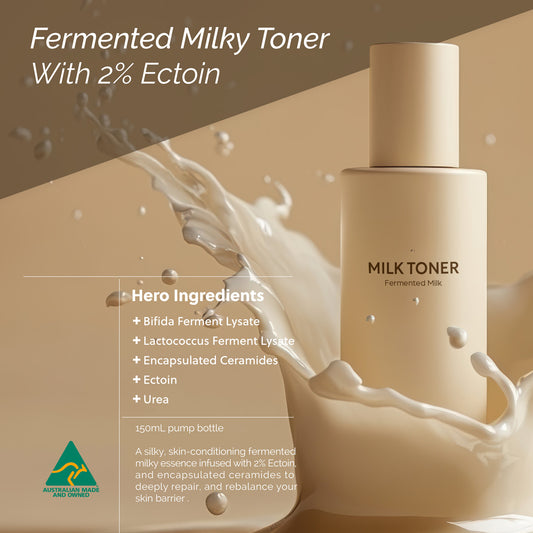
$0.00 USDSale price$49.00 USD Save $-49.00 USD (%)Unit priceperFermented Milky Toner
-
Regular price$37.00 USDRegular priceSale price$37.00 USD Save $-37.00 USD (%)Unit priceper
Daily Face Hydrator
-
Regular price$22.00 USDRegular priceSale price$22.00 USD Save $-22.00 USD (%)Unit priceper
Gel Cleanser
in your cart -
Regular price$34.00 USDRegular priceSale price$34.00 USD Save $-34.00 USD (%)Unit priceper
Milk Cleanser
-
Regular price$43.00 USDRegular priceSale price$43.00 USD Save $-43.00 USD (%)Unit priceper
Water Bomb Face Cream
-
Regular price$24.00 USDRegular priceSale price$24.00 USD Save $-24.00 USD (%)Unit priceper
Green Envy AHA Serum