Goop beauty’s 20% Vitamin C & Advanced Brightening Serum combines freshly mixed L-ascorbic acid with ferulic acid, ectoin and a layered hydration base. We explore its ingredients, product-testing results and who this concentrated treatment might suit.
FORMULA NOTES / VITAMIN C SERUM
goop beauty
20% Vitamin C & Advanced Brightening Serum
A closer look at its freshly mixed vitamin C, ectoin, water-binding ingredients and who this concentrated serum might suit.
A formulation-based review
Full ingredient list (INCI)
aqua/water/eau, ascorbic acid, glycerin, dimethyl isosorbide, pentylene glycol, ectoin, propanediol, ferulic acid, sodium hyaluronate, terminalia ferdinandiana (kakadu plum) fruit extract, galactoarabinan, sodium citrate, ziziphus jujuba (jujube) seed extract, fructan, ethylhexylglycerin, potassium sorbate, decyl glucoside, olea europaea (olive) leaf extract, sodium hydroxide, citric acid, phenethyl alcohol, xylitol, caprylic acid, caprylyl glycol
Source: MECCA Australia’s published combined ingredient list, checked 30 October 2026. The powder and activator are supplied separately; this is the combined list rather than two separate component formulas. Refer to your packaging for the supplied formula.

The focus
Dullness, uneven tone & hydration
The format
30 mL two-part serum
Price snapshot
A$205MECCA listed price · unavailable online when checked 30 Oct 2026
Worth knowing
20% L-ascorbic acid + ectoin + ferulic acid
| Product | Formulation Rating | Value Rating | Overall Rating |
|---|---|---|---|
| goop beauty20% L-ascorbic acidA$205.00 · 30 mL |
★★★★☆Antioxidant
★★★★☆Pigment Signalling
★★★★★Hydration
|
A$68.33 per 10 mL; concentration-adjusted component uses 20% L-ascorbic acid. |
Freshly mixed vitamin C with a thoughtful hydration base
goop beauty combines a high-strength L-ascorbic acid treatment with a hydrating activator. The vitamin C powder stays separate until the first use, when the two components are mixed into one serum. This gives the formula a clear freshness-focused design before activation.
The supporting ingredients deserve attention too. Ferulic acid complements the antioxidant approach, while ectoin, glycerin, hyaluronic acid and polysaccharides add water-binding and skin-comfort functions. It is a concentrated treatment built around more than the vitamin C percentage alone.
Who might it suit?
- Dull or uneven-looking skin: the free vitamin C gives the formula a clear brightening and antioxidant focus.
- Experienced vitamin C users: people who already tolerate L-ascorbic acid may appreciate a high-strength option.
- Dehydrated skin seeking a treatment serum: ectoin, glycerin, sodium hyaluronate and polysaccharides support the water-based formula.
- People avoiding added fragrance: the published list contains no parfum or essential oils.
At 20% L-ascorbic acid, this may be less suitable for easily irritated skin or someone starting vitamin C for the first time. Hydrating ingredients can improve the formulation experience, but individual tolerance still matters. A lower-strength or derivative-led serum may be easier to introduce.
Before first use, empty the activator into the powder bottle, close and shake until dissolved, then fit the dropper. The brand recommends a few drops morning and evening, storage in a cool, dry place and use within three months of activation. Introduce according to tolerance and use broad-spectrum sunscreen each morning.
What does 20% vitamin C mean?
The brand declares 20% L-ascorbic acid in the activated serum. This is the free vitamin, rather than a vitamin C derivative or an unspecified multi-ingredient vitamin C complex. The powder is mixed with the entire supplied activator before use.
Ferulic acid, ectoin and the supporting botanical and hydration ingredients are also present, but their individual percentages are not disclosed. The brand’s two-part packaging limits contact between the vitamin C and water before activation; storage and the three-month use period matter once it is mixed.
Ingredients grouped by function
Ingredients are grouped by their estimated primary role in this formula; some ingredients have more than one function.
| Function | Ingredients | Role in formula |
|---|---|---|
| Function: Primary Actives | Ingredients: ascorbic acid | Role in formula: Free vitamin C supports the antioxidant and brighter-looking-tone focus. |
| Function: Supporting Antioxidants | Ingredients: ferulic acid | Role in formula: Complements the antioxidant design. |
| Function: Hydration and Comfort Actives | Ingredients: glycerin, ectoin, sodium hyaluronate, galactoarabinan, fructan, xylitol | Role in formula: Water binding, compatible-solute and surface-film support. |
| Function: Botanical Extracts | Ingredients: terminalia ferdinandiana (kakadu plum) fruit extract, ziziphus jujuba (jujube) seed extract, olea europaea (olive) leaf extract | Role in formula: Supporting botanical conditioning and antioxidant-oriented roles. |
| Function: Other Emollients | Ingredients: caprylic acid | Role in formula: Fatty-acid skin-conditioning and formulation role. |
| Function: Base and Solvents | Ingredients: aqua/water/eau, dimethyl isosorbide, pentylene glycol, propanediol | Role in formula: Water-based vehicle, ingredient solubility and supporting humectancy. |
| Function: Solubilising Support | Ingredients: decyl glucoside | Role in formula: Helps disperse formulation components. |
| Function: pH and Buffering | Ingredients: sodium citrate, sodium hydroxide, citric acid | Role in formula: Controls the formulation’s acidity and balance. |
| Function: Preservation Support | Ingredients: ethylhexylglycerin, potassium sorbate, phenethyl alcohol, caprylyl glycol | Role in formula: Preservation and multifunctional formula support. |
The key ingredients, explained
| Ingredient | What it contributes |
|---|---|
| Ingredient: L-ascorbic acid · 20% | What it contributes: Concentrated vitamin C. The free vitamin is central to the formula’s antioxidant and brightening purpose and is relevant to normal collagen biology. The separate powder format delays its exposure to the aqueous activator until first use. |
| Ingredient: Ferulic acid | What it contributes: Complementary antioxidant support. Adds a second antioxidant alongside vitamin C. Its concentration is not disclosed, and the published list contains no vitamin E. |
| Ingredient: Ectoin | What it contributes: Hydration and comfort. A compatible solute used to support water balance and help protect against environmental stress. It complements the intensity of the vitamin C treatment. |
| Ingredient: Glycerin and sodium hyaluronate | What it contributes: Water-binding hydration. Help the skin’s outer layers retain moisture. The brand describes a three-molecular-weight hyaluronic acid blend; those weights are not individually specified on the INCI list. |
| Ingredient: Galactoarabinan, fructan and xylitol | What it contributes: Supporting moisture ingredients. Polysaccharides and a sugar alcohol add water-binding, conditioning and surface-film functions. |
| Ingredient: Kakadu plum, jujube seed and olive leaf extracts | What it contributes: Botanical support. Add conditioning and antioxidant-oriented ingredients. Their presence does not establish an additional measured vitamin C dose beyond the declared L-ascorbic acid. |
| Ingredient: Dimethyl isosorbide | What it contributes: Solvent and delivery support. Helps keep selected ingredients in a suitable vehicle. It is not a separate vitamin C active. |
High-strength vitamin C balanced by water-binding and comfort ingredients
The most interesting part of this formula is the relationship between the treatment and its base. Ascorbic acid and ferulic acid provide the antioxidant focus, while ectoin, glycerin, hyaluronate and polysaccharides offer several complementary ways to support moisture.
The fresh-mixing format is also purposeful. It keeps the powder apart from the water phase until the bottle is opened, then produces one ready-to-use serum. That design makes sense for an ingredient as formulation-sensitive as L-ascorbic acid, while the supporting ingredients help make the formula more considered than a percentage-led treatment alone.
Product clinical and consumer testing
Clinical assessment
The brand reports improved skin radiance after four weeks. MECCA’s study footnote describes clinical measurements in 32 participants aged 30–55 using the serum twice daily. A numerical radiance effect size and comparator are not provided in the public summary.
Consumer feedback
A separate consumer-perception summary for 32 participants aged 30–55 over four weeks reports that 94% felt their skin was hydrated and 91% felt it was smoother. These percentages describe participants agreeing with statements, rather than percentage increases in measured hydration or smoothness. Product results and study details.
What ingredient research tells us
These studies investigated other formulations, not this goop serum.
L-ascorbic acid and photoaged skin
A randomised, double-blind study compared a 5% vitamin C cream with its vehicle over six months. Clinical assessment and skin-surface measurements favoured the vitamin C treatment on photoaged skin. This supports topical vitamin C’s role, but does not establish that a 20% serum produces four times the effect. Humbert and colleagues, 2003.
Ectoin and skin hydration
A randomised, double-blind, vehicle-controlled investigation included 104 healthy women and assessed a 2% ectoin emulsion for moisturising and skin-ageing parameters. Results supported its use in skin-care formulations. The ectoin concentration in this serum is undisclosed, so the study provides ingredient context rather than a prediction of its finished-product results. Heinrich and colleagues, 2007.
Our assessment
goop pairs 20% L-ascorbic acid with ferulic acid, ectoin and a varied hydration base. Its two-part format keeps the vitamin C separate until activation. This serum earns an Overall Rating of 3.09 stars in our comparison of 15 ascorbic acid vitamin C serums.
At the comparison snapshot price of A$205 for 30 mL (1 November 2026), the cost is A$68.33 per 10 mL, placing it in the premium-priced part of the comparison. Its disclosed 20% L-ascorbic acid helps concentration-adjusted value, but does not guarantee better results. The activated format, ectoin and varied hydration support are its stronger reasons for consideration rather than price alone.
Its stronger justification is the combination of an activated format, ectoin and hydration support, if those features suit your routine. It is more relevant to someone who already tolerates pure vitamin C than to reactive skin or a first vitamin C serum. Consistent use within the labelled period after activation also matters to practical value.
Further reading
Products for Dry & Dehydrated Skin
-
Regular price$79.00 AUDRegular price
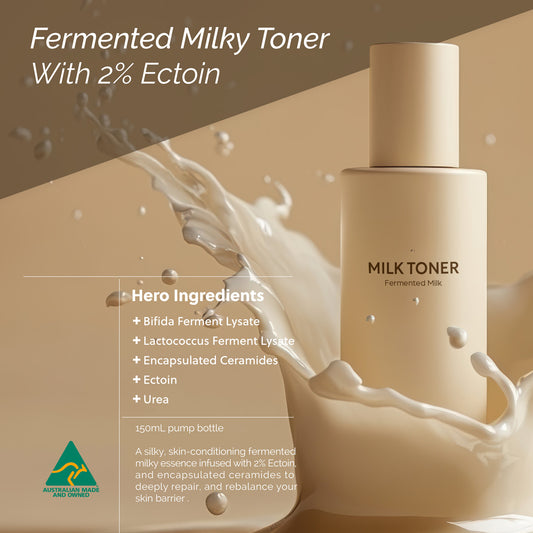
$0.00 AUDSale price$79.00 AUD Save $-79.00 AUD (%)Unit priceperFermented Milky Toner
-
Regular price$59.00 AUDRegular priceSale price$59.00 AUD Save $-59.00 AUD (%)Unit priceper
Daily Face Hydrator
-
Regular price$36.00 AUDRegular priceSale price$36.00 AUD Save $-36.00 AUD (%)Unit priceper
Gel Cleanser
-
Regular price$55.00 AUDRegular priceSale price$55.00 AUD Save $-55.00 AUD (%)Unit priceper
Milk Cleanser
-
Regular price$69.00 AUDRegular priceSale price$69.00 AUD Save $-69.00 AUD (%)Unit priceper
Water Bomb Face Cream
-
Regular price$39.00 AUDRegular priceSale price$39.00 AUD Save $-39.00 AUD (%)Unit priceper
Green Envy AHA Serum