A formulation-based look at DRMTLGY’s disclosed vitamin C, E and ferulic acid blend, peptide adjuncts, hydration support and price per 10 mL.
FORMULA NOTES / VITAMIN C
DRMTLGY Vitamin C E + F
A closer look at its vitamin C, E and ferulic acid blend, peptide adjuncts and supporting moisture ingredients.
A formulation-based review
Full ingredient list (INCI)
water/aqua/eau, ascorbic acid, ethoxydiglycol, peg-40 hydrogenated castor oil, ppg-26-buteth-26, glycerin, tocopherol, ferulic acid, palmitoyl tripeptide-1, palmitoyl tetrapeptide-7, ceramide eop, ceramide np, palmitoyl tripeptide-5, ceramide ap, phytosphingosine, cholesterol, sodium lauroyl lactylate, butylene glycol, carbomer, polysorbate 20, xanthan gum, sodium hyaluronate, sodium metabisulfite, acetyl octapeptide-3, phenoxyethanol, panthenol
Source: DRMTLGY official ingredient list, checked 1 November 2026. Check your packaging for formula changes.

- The focus
- Uneven-looking tone & fine lines
- The format
- 30 mL (1 fl oz on official packshot) serum
- Price snapshot
- A$110Regular price · comparison snapshot 1 November 2026 · checked 1 Nov 2026
- Worth knowing
- 15% vitamin C + 1% vitamin E + 0.5% ferulic acid
| Product | Formulation Rating | Value Rating | Overall Rating |
|---|---|---|---|
| DRMTLGY15% L-ascorbic acidA$110.00 · 30 mL |
★★★★☆Antioxidant
★★★★☆Pigment Signalling
★★★★★Hydration
|
A$36.67 per 10 mL; concentration-adjusted component uses 15% L-ascorbic acid. |
A vitamin C trio with peptides and barrier lipids
DRMTLGY pairs pure vitamin C with vitamin E and ferulic acid, then adds four peptides and a supporting lipid-and-humectant system. The antioxidant trio sets the main direction; the other ingredients make this more than a bare vitamin C solution. The useful question is how those supporting roles fit your skin, rather than how many actives appear on the label.
Who might it suit?
- Dull or uneven-looking skin: a disclosed 15% pure vitamin C treatment for an established antioxidant routine.
- Fine lines with a need for moisture support: peptide adjuncts sit alongside glycerin, panthenol, sodium hyaluronate and skin-conditioning lipids.
- Someone avoiding added fragrance: the current ingredient list does not list parfum or essential oils.
The manufacturer discloses an acidic pH of 2.20–3.20. This can be relevant to vitamin C delivery but may sting reactive or compromised skin. Introduce gradually; persistent irritation is a reason to stop. Use moisturiser as needed and daytime sunscreen.
What does the 15% refer to?
The brand discloses 15% L-ascorbic acid, 1% dl-tocopherol and 0.5% ferulic acid. These are individual ingredient percentages, not a combined vitamin C complex. Peptide, ceramide and humectant levels are not stated. The same headline antioxidant percentages do not establish identical stability, skin delivery or clinical performance to another formulation.
Ingredients grouped by function
Ingredients are grouped by their estimated primary role in this formula; some ingredients have more than one function.
| Function | Ingredients | Role in formula |
|---|---|---|
| Function: Peptides | Ingredients: palmitoyl tripeptide-1, palmitoyl tetrapeptide-7, palmitoyl tripeptide-5, acetyl octapeptide-3 | Role in formula: Four peptide adjuncts bring different skin-conditioning and appearance-related rationales; their concentrations are not disclosed. |
| Function: Primary Actives | Ingredients: ascorbic acid, ceramide eop, ceramide np, ceramide ap, phytosphingosine, cholesterol | Role in formula: Pure vitamin C anchors the treatment. Skin-identical lipid classes add a barrier-support rationale without establishing an optimal lipid ratio or complete barrier repair. |
| Function: Antioxidants | Ingredients: tocopherol, ferulic acid, sodium metabisulfite | Role in formula: Vitamin E and ferulic acid complement vitamin C; sodium metabisulfite principally helps limit oxidation within the formula, not an assumed clinical skin benefit. |
| Function: Humectants & Hydration Actives | Ingredients: glycerin, butylene glycol, sodium hyaluronate, panthenol | Role in formula: Water-binding and moisture-support ingredients complement the treatment system. |
| Function: Solubilizers | Ingredients: ethoxydiglycol, peg-40 hydrogenated castor oil, ppg-26-buteth-26, polysorbate 20 | Role in formula: Help dissolve or disperse ingredients with different solubilities. Their presence alone does not establish enhanced skin delivery. |
| Function: Emulsifiers / Surfactants | Ingredients: sodium lauroyl lactylate | Role in formula: Supports dispersion of the lipid-containing system. |
| Function: Solvents | Ingredients: water/aqua/eau | Role in formula: Water-based vehicle. |
| Function: Preservatives & Antimicrobial Agents | Ingredients: phenoxyethanol | Role in formula: Helps protect against microbial contamination. |
| Function: Texturisers & Rheology Agents | Ingredients: carbomer, xanthan gum | Role in formula: Control consistency and physical stability. |
The key ingredients, explained
| Ingredient | What it contributes |
|---|---|
| Ingredient: L-ascorbic acid · 15% | What it contributes: The main antioxidant and brightening active, with a well-established collagen-related biological role. |
| Ingredient: Vitamin E · 1% and ferulic acid · 0.5% | What it contributes: Complementary antioxidants; matching a published ratio does not make the complete formulas equivalent. |
| Ingredient: Four peptides | What it contributes: Palmitoyl tripeptide-1, palmitoyl tetrapeptide-7, palmitoyl tripeptide-5 and acetyl octapeptide-3 are distinct adjuncts, not one interchangeable peptide technology. |
| Ingredient: Ceramides, cholesterol and phytosphingosine | What it contributes: Skin-conditioning lipids that support the barrier-oriented design; optimal ratios and finished-product barrier repair are not established. |
| Ingredient: Glycerin, panthenol and sodium hyaluronate | What it contributes: Moisture-supporting ingredients that complement the treatment rather than increasing its vitamin C strength. |
Antioxidant treatment with moisture-supporting adjuncts
Water-binding ingredients help retain moisture, while ceramides EOP, NP and AP, cholesterol and phytosphingosine add a barrier-lipid rationale. Their presence is useful formulation context, but the ratios and delivered amounts are undisclosed. This remains a treatment serum rather than a substitute for a moisturiser. The four peptides serve different proposed roles; a multi-peptide ingredient list alone does not establish a measured reduction in wrinkles.
Reading the claims carefully
The product page positions the serum for discoloration and fine lines. Research on vitamin C, vitamin E and ferulic acid supports the combination concept, but the cited ingredient combination is not automatically a clinical trial of DRMTLGY. The public information reviewed does not supply a controlled trial establishing the contribution of each peptide or barrier lipid in this finished formula.
What published ingredient research tells us
Ingredient research provides context; it does not establish identical results for this finished serum.
Pure vitamin C and photoaged skin
A six-month controlled trial of a 5% vitamin C cream reported improvements in assessed photoageing features. The concentration and vehicle differ from this serum. Humbert et al., 2003.
Vitamin C, vitamin E and ferulic acid
A pig-skin study tested 15% L-ascorbic acid and 1% alpha-tocopherol with ferulic acid, reporting improved stability and experimental UV protection. This supports the combination rationale, not a claim that DRMTLGY has the same tested vehicle or acts as sunscreen. Lin et al., 2005.
Our assessment
This is a thoughtfully broadened vitamin C treatment: the disclosed antioxidant trio is the main attraction, with peptides, humectants and barrier-related lipids providing secondary support. At the comparison snapshot regular price of A$110 for the labelled 30 mL pack, it costs A$36.67 per 10 mL. Its 3.5-star Value Rating reflects a comparatively accessible cost for the disclosed 15% L-ascorbic acid and supporting design. Shipping is additional where applicable.
The added ingredients may justify interest, but their undisclosed levels prevent a claim that more actives necessarily deliver better value. Acid tolerance and whether you actually want these supporting roles matter as much as the headline percentage.
This serum earns an Overall Rating of 3.84 stars in our comparison of 15 ascorbic acid vitamin C serums.
Prices use the comparison snapshot of 1 November 2026; temporary promotions are excluded. Ratings are editorial assessments of formulation potential and value, not measured clinical outcomes.
Further reading
Products for Dry & Dehydrated Skin
-
Regular price$79.00 AUDRegular price
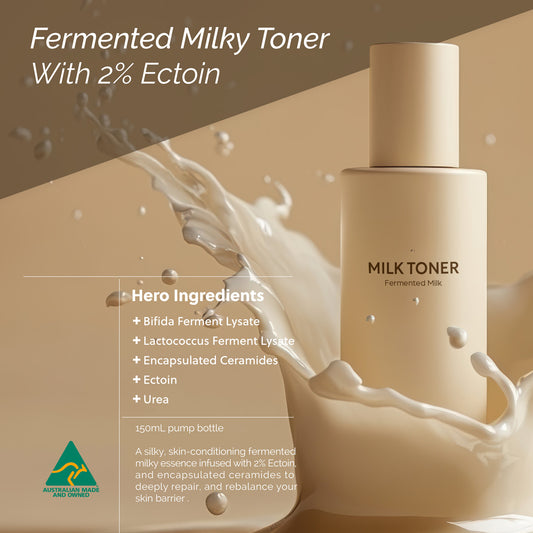
$0.00 AUDSale price$79.00 AUD Save $-79.00 AUD (%)Unit priceperFermented Milky Toner
-
Regular price$59.00 AUDRegular priceSale price$59.00 AUD Save $-59.00 AUD (%)Unit priceper
Daily Face Hydrator
-
Regular price$36.00 AUDRegular priceSale price$36.00 AUD Save $-36.00 AUD (%)Unit priceper
Gel Cleanser
-
Regular price$55.00 AUDRegular priceSale price$55.00 AUD Save $-55.00 AUD (%)Unit priceper
Milk Cleanser
-
Regular price$69.00 AUDRegular priceSale price$69.00 AUD Save $-69.00 AUD (%)Unit priceper
Water Bomb Face Cream
-
Regular price$39.00 AUDRegular priceSale price$39.00 AUD Save $-39.00 AUD (%)Unit priceper
Green Envy AHA Serum