Dermaceutic Tri Vita C30 combines 15% L-ascorbic acid with two vitamin C derivatives, vitamin E and ferulic-acid ingredients. We look beyond the 30% headline to explain the formula, its supporting research and who it might suit.
FORMULA NOTES / VITAMIN C SERUM
Dermaceutic
Tri Vita C30
A closer look at its three vitamin C forms, supporting antioxidants and who this concentrated serum might suit.
A formulation-based review
Full ingredient list (INCI)
propylene glycol, water (aqua), ascorbic acid, ascorbyl methylsilanol pectinate, alcohol denat., cyclopentasiloxane, methylpropanediol, pvp, dimethicone, ascorbyl tetraisopalmitate, tocopheryl acetate, ethyl ferulate, tocopherol, ferulic acid, sphingolipids, phospholipids, sodium pca, magnesium pca, zinc pca, manganese pca, dimethicone crosspolymer, xanthan gum, aminomethyl propanol, camphor, potassium sorbate, sodium citrate, ethylhexylglycerin, pentylene glycol, phenoxyethanol, p-anisic acid, disodium edta
Source: Dermaceutic’s current global ingredient list, checked 30 October 2026. Some Australian retailers publish a different list; check your packaging for the formula supplied.

The focus
Brightness & antioxidant support
The format
30 mL treatment serum
Price snapshot
A$175VCI · checked 30 Oct 2026
Worth knowing
15% L-ascorbic acid + two derivatives
Three vitamin C forms, anchored by 15% L-ascorbic acid.
Tri Vita C30 takes a concentrated approach to vitamin C. L-ascorbic acid is paired with a silanol complex and an oil-soluble ester, supported by vitamin E and ferulic-acid ingredients. The formula is aimed at dullness, uneven-looking tone and the visible effects of photoageing.
The most useful starting point is the disclosed 15% L-ascorbic acid. This gives the formula a clear active foundation. The two additional forms bring different formulation properties and supporting research, while glycols, PCA salts and silicones provide moisture support and spreadability.
Who might it suit?
- Dull or uneven-looking skin: the vitamin C combination supports a brighter, more even-looking complexion.
- Fine lines and photoageing concerns: L-ascorbic acid provides a relevant foundation for collagen-supporting skincare.
- Experienced vitamin C users: it may appeal to people who tolerate concentrated treatments and want vitamin E and ferulic-acid support alongside them.
- People seeking a treatment rather than a moisturiser: it offers supporting hydration, but dry skin may still benefit from a separate moisturiser.
Sensitive or easily irritated skin may find the concentration, alcohol denat. and camphor less comfortable. Introduce gradually and follow the directions on your pack. The current global brand guidance advises evening use, avoiding the eye area and using SPF 50 during the day; it also advises against combining it with retinol or AHA products and does not recommend it during pregnancy or breastfeeding. Dermaceutic use guidance.
What does the 30% refer to?
Dermaceutic’s headline combines 15% L-ascorbic acid, 14.5% ascorbyl silanol and 0.5% ascorbyl ester. The INCI names the latter two as ascorbyl methylsilanol pectinate and ascorbyl tetraisopalmitate.
These percentages describe different materials. The supplied-material basis of the silanol figure is not disclosed, so the headline should be read as the brand’s three-form blend rather than 30% pure L-ascorbic acid. The clearly disclosed 15% L-ascorbic acid remains a substantial part of the formula. Brand concentration disclosure.
Ingredients grouped by function
Ingredients are grouped by their estimated primary role in this formula; some ingredients have more than one function.
| Function | Ingredients | Role in formula |
|---|---|---|
| Function: Vitamin C actives | Ingredients: ascorbic acid, ascorbyl methylsilanol pectinate, ascorbyl tetraisopalmitate | Role in formula: Three vitamin C forms selected for antioxidant support and brighter, smoother-looking skin. |
| Function: Supporting antioxidants | Ingredients: tocopheryl acetate, ethyl ferulate, tocopherol, ferulic acid | Role in formula: Free and esterified vitamin E and ferulic-acid ingredients complement the vitamin C system. |
| Function: Hydration actives | Ingredients: propylene glycol, methylpropanediol, sodium pca, magnesium pca, zinc pca, manganese pca, pentylene glycol | Role in formula: Water-binding glycols and PCA salts support moisture; the glycols also help dissolve other ingredients. |
| Function: Skin-conditioning lipids | Ingredients: sphingolipids, phospholipids | Role in formula: Lipid ingredients contribute to skin conditioning and the formulation’s lipid phase. |
| Function: Other Emollients | Ingredients: cyclopentasiloxane, dimethicone | Role in formula: Silicones provide slip, spreadability and a smoother skin feel. |
| Function: Solvents | Ingredients: water (aqua), alcohol denat. | Role in formula: Form the aqueous and volatile solvent phase. |
| Function: Texture and film formation | Ingredients: pvp, dimethicone crosspolymer, xanthan gum | Role in formula: Help build the serum’s texture and maintain an even application. |
| Function: pH adjustment and buffering | Ingredients: aminomethyl propanol, sodium citrate | Role in formula: Help adjust and maintain the formula’s pH. |
| Function: Preservation support | Ingredients: potassium sorbate, ethylhexylglycerin, phenoxyethanol, p-anisic acid | Role in formula: Help protect the finished formula from microbial contamination. |
| Function: Sensory component | Ingredients: camphor | Role in formula: Contributes an aromatic sensory character. |
| Function: Chelating agent | Ingredients: disodium edta | Role in formula: Binds metal ions to support formula stability. |
The key ingredients, explained
| Ingredient | What it contributes |
|---|---|
| Ingredient: L-ascorbic acid · 15% | What it contributes: The main vitamin C foundation. The biologically active form of vitamin C supports antioxidant defence, collagen synthesis and a more even-looking tone. |
| Ingredient: Ascorbyl methylsilanol pectinate | What it contributes: A complementary vitamin C complex. This combines ascorbic-acid and silanol chemistry with pectin. Published laboratory and supplier studies support antioxidant activity; commercial grades differ. |
| Ingredient: Ascorbyl tetraisopalmitate · ester component | What it contributes: Oil-soluble vitamin C support. Certain commercial grades have human pigmentation and wrinkle research. The grade, dose and vehicle used in a study matter when interpreting the findings. |
| Ingredient: Tocopherol and tocopheryl acetate | What it contributes: Vitamin E in two forms. Free tocopherol contributes lipid-associated antioxidant activity; its acetate ester has different stability and conversion properties. |
| Ingredient: Ferulic acid and ethyl ferulate | What it contributes: Supporting antioxidant ingredients. The free acid and its ethyl ester have distinct laboratory evidence and add breadth to the antioxidant design. |
| Ingredient: Glycols and PCA salts | What it contributes: Supporting moisture. Humectants help bind water, complementing the formula’s intensive-treatment focus. |
| Ingredient: Silicones and skin-conditioning lipids | What it contributes: Slip and skin feel. Dimethicone and cyclopentasiloxane support spreading, while sphingolipids and phospholipids contribute skin conditioning. |
A vitamin C foundation supported by E, ferulic acid and moisture
This formula’s strength is the combination around its L-ascorbic acid. Vitamin E and ferulic-acid ingredients bring complementary antioxidant roles, while the solvent system accommodates a mix of water-associated and oil-soluble materials.
Humectants and silicones make a practical contribution too: they help the serum spread and support a smoother, more hydrated feel. The overall design is more informative than adding the three vitamin C percentages together or assuming that a larger number automatically produces a better result.
Reading the claims carefully
The brand reports that 90% of participants agreed that wrinkle appearance improved, with 82% agreement on complexion-related outcomes. These results came from 20 women using a routine that combined Tri Vita C30, Advanced Cleanser and tinted Sun Ceutic 50+. They are agreement rates for the routine, rather than the percentage reduction in wrinkles caused by the serum alone.
A separate before-and-after presentation refers to 22 volunteers over 28 days. The public summary does not provide a numerical treatment effect or full comparator details. Dermaceutic testing information.
What ingredient research tells us
These studies concern individual ingredients or other formulations. They help explain the ingredient choices and are separate from testing of Tri Vita C30.
L-ascorbic acid and photoaged skin
A six-month double-blind study of a 5% vitamin C cream on photoaged lower-neck and arm skin reported improvements in clinical signs of photoageing and skin-surface features compared with its vehicle. It supports the use of topical L-ascorbic acid, while showing why concentration alone cannot predict the performance of a different serum. Humbert and colleagues, 2003.
Oil-soluble vitamin C and visible wrinkles
A randomised, double-blind split-face trial studied a named VC-IP vitamin C ester in 69 women. Creams containing 1%, 2% or 3% were compared with a placebo cream over eight weeks, with improvements reported in periorbital wrinkle assessments. The study supports that tested material; Tri Vita C30 discloses 0.5% ester and does not identify the same supplier grade. Yokota and Yahagi, 2022.
Pigmentation findings depend on the endpoint
A paired study in 22 adults tested a 3% VC-IP cream after experimental UV exposure. Some visual and instrumental pigmentation outcomes improved at earlier time points, but benefits were not significant at every measurement. This is useful human evidence without implying a universal or linear dose response. Ochiai and colleagues, 2006.
The silanol complex has laboratory antioxidant evidence
A study of an ascorbyl methylsilanol pectinate dispersion measured antioxidant activity and examined its behaviour in emulsions. In one radical-scavenging assay, its result was not significantly different from the ascorbic-acid comparator. This is laboratory support for the ingredient, rather than an isolated-ingredient clinical trial. Guillen and colleagues, 2021.
Our assessment
Tri Vita C30 has a strong formulation rationale: a disclosed 15% L-ascorbic-acid foundation, vitamin E and ferulic-acid support, plus two additional vitamin C materials. Its most persuasive role is as an antioxidant and brightening treatment, with supporting benefits for the appearance of photoaged skin.
At A$175 for 30 mL, it is a premium option. The combination is more compelling than the 30% headline alone, but that headline is not enough to justify the price by itself. Suitability comes down to whether you want this particular formula and can comfortably use it consistently. For reactive skin, tolerability is a more useful priority than maximising the percentage.
Further reading
- Dermaceutic: current formula, concentrations and product testing
- Dermocosmètica: Australian product information
- VCI: Australian 30 mL price snapshot
- Humbert et al., 2003: topical vitamin C and photoaged skin
- Yokota and Yahagi, 2022: VC-IP wrinkle trial
- Ochiai et al., 2006: VC-IP pigmentation study
- Guillen et al., 2021: ascorbyl methylsilanol pectinate characterisation
Products for Dry & Dehydrated Skin
-
Regular price$49.00 USDRegular price
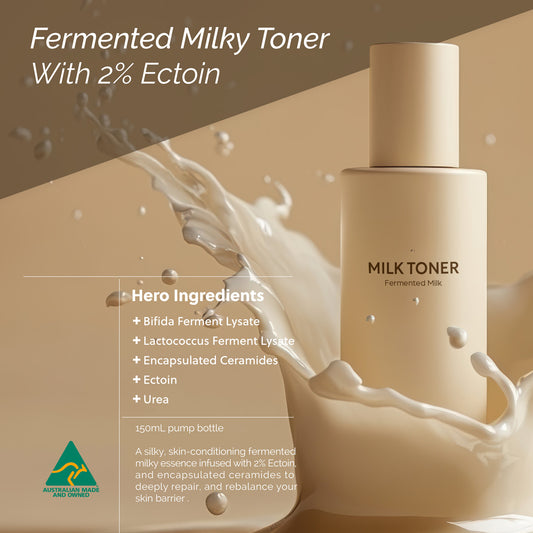
$0.00 USDSale price$49.00 USD Save $-49.00 USD (%)Unit priceperFermented Milky Toner
-
Regular price$37.00 USDRegular priceSale price$37.00 USD Save $-37.00 USD (%)Unit priceper
Daily Face Hydrator
-
Regular price$22.00 USDRegular priceSale price$22.00 USD Save $-22.00 USD (%)Unit priceper
Gel Cleanser
in your cart -
Regular price$34.00 USDRegular priceSale price$34.00 USD Save $-34.00 USD (%)Unit priceper
Milk Cleanser
-
Regular price$43.00 USDRegular priceSale price$43.00 USD Save $-43.00 USD (%)Unit priceper
Water Bomb Face Cream
-
Regular price$24.00 USDRegular priceSale price$24.00 USD Save $-24.00 USD (%)Unit priceper
Green Envy AHA Serum